Scientists at Princeton University used off-the-shelf printing tools to create a functional ear that can "hear" radio frequencies far beyond the range of normal human capability.The researchers' primary purpose was to explore an efficient and versatile means to merge electronics with tissue. The scientists used 3D printing of cells and nanoparticles followed by cell culture to combine a small coil antenna with cartilage, creating what they term a bionic ear.


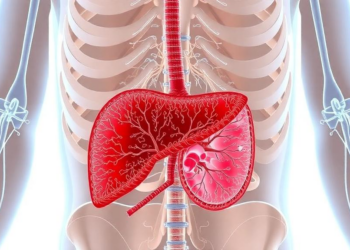
For the first time, human liver tissues have been generated that are truly three-dimensional, being up to 500 microns in thickness in the smallest dimension, and consisting of multiple cell types arranged in defined spatial patterns that reproduce key elements of native tissue architecture. The tissues, fabricated using Organovo's proprietary NovoGen™ bioprinting platform, are highly reproducible and exhibit superior performance compared to standard 2D controls.

For the first time, scientists reporting in Nature Medicine have created lab-grown kidneys in rats that produce urine after transplantation.

Researchers from NTNU's Kavli Institute of Systems Neuroscience are able to see which cells communicate with each other in the brain by flipping a neural light switch. The results of their efforts are presented in an article in the 5 April issue of Science magazine.